
Applications
Drainage Trenching NZ
Drainage trenching covers everything from stormwater and subsoil drainage on a civil site to general land drainage where water needs a controlled path away from a structure, road or paddock. The common thread is a trench that holds a consistent fall and depth so the pipe or drainage coil actually works once it's backfilled.
The Job
What This Involves
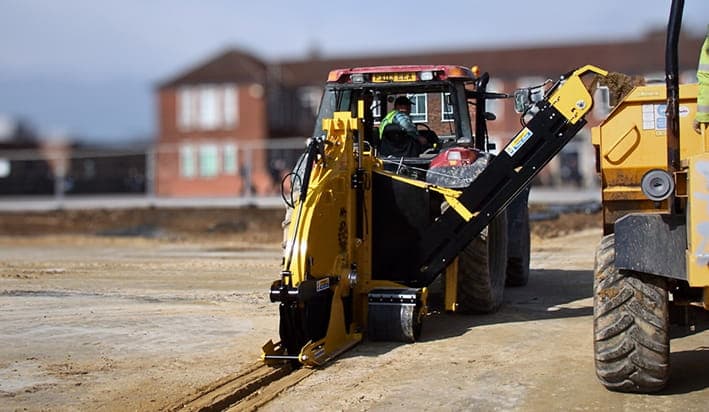
Most drainage trenching is narrower and shallower than a major utility run, but accuracy on depth and fall matters more, since drainage relies on gravity to work. Spoil handling and backfilling speed also matter — a trencher with a conveyor system places spoil to one side cleanly, which keeps the trench line clear for pipe-laying and speeds up reinstatement.
Machine Selection
Why the Right Machine Matters
Depth control is the deciding factor for drainage work — a trencher with continuously variable, laser-ready depth control makes it possible to hold a precise fall over long runs, rather than cutting to a fixed depth and correcting afterwards. Carrier choice matters too: a tractor-mounted chain trencher suits open ground and longer runs, while a compact excavator-mounted unit is often the more practical choice on a confined civil site where an excavator is already working.
Things Worth Considering
- Required fall and outlet depth for the drainage system to function correctly
- Trench width needed for the pipe or drainage coil diameter being installed
- Ground conditions — clay tends to need cleaner-cut trench walls than sandy or loamy soil
- Spoil handling and where it needs to go (conveyor placement vs. windrowed spoil)
- Access and site space, particularly on smaller residential or urban civil sites
See Also
Suited Machines
AFT Trenchers for Drainage Trenching
Real machines, real specs — every figure below comes straight from the product specification, not this page.
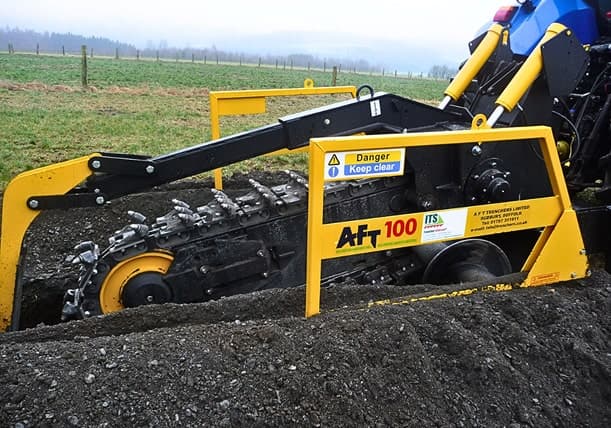
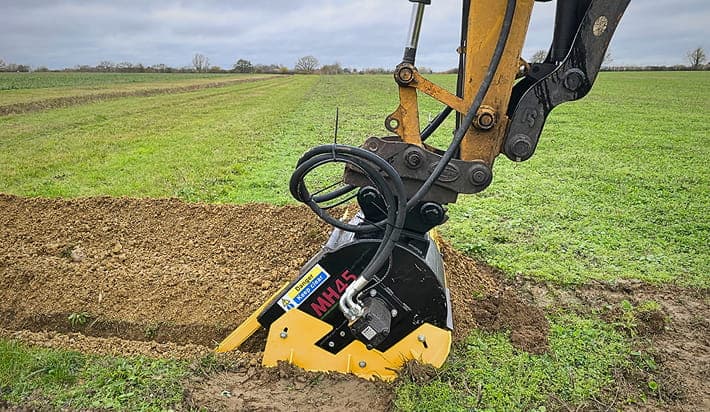
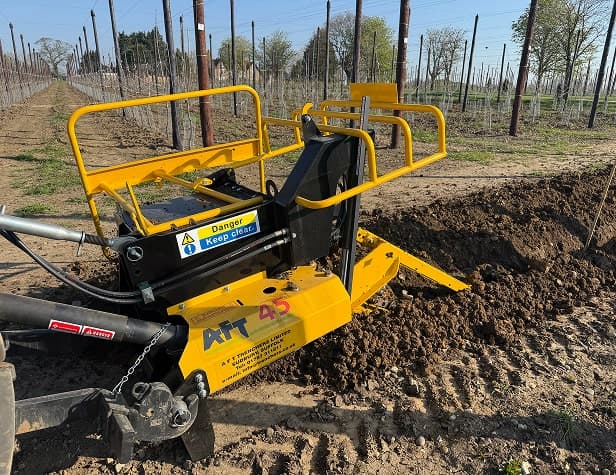
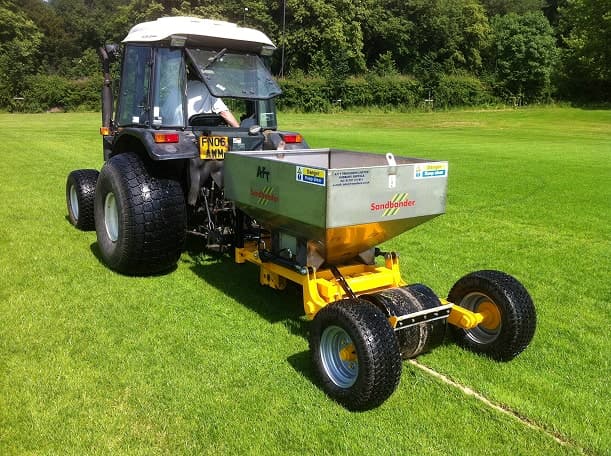
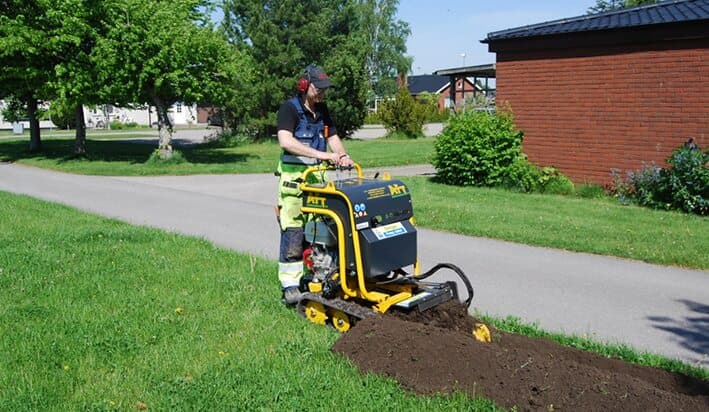
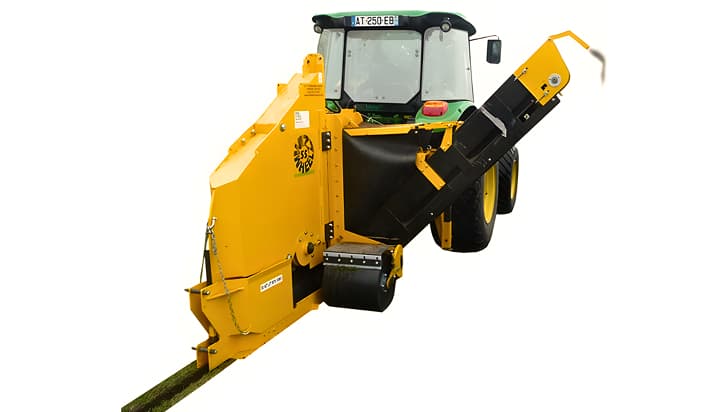
AFT100
Depth: Up to 1.6m
Width: 125–300mm (400mm version available)
MH45
Depth: 0.8m / 1.0m / 1.2m
Width: 125–200mm (64–84mm narrow option)
Wizz Wheel 75
Depth: 0.75m
Width: 50–150mm
Drainage Trenching is one of the applications TrenchWorks supports most often in the Civil Engineering sector. For the full range of applications and considerations for that industry, see the Civil Engineering industry guide, or read the complete Trenchers NZ guide for how this fits into choosing a trencher generally.
Common Questions
Frequently Asked
How deep does a drainage trench need to be?
It depends entirely on the drainage design — the fall required to the outlet, the pipe or coil size, and local ground conditions. TrenchWorks can talk through the depth and fall your project needs against the real depth ranges of each AFT machine.
What's the difference between drainage trenching and agricultural drainage?
The trenching principle is the same, but agricultural drainage is usually run across paddocks at scale with a tractor-mounted trencher, while general drainage trenching (civil, residential, commercial) is often shorter runs with tighter depth/fall tolerances near structures. See our dedicated agricultural trenching page for the farm-specific view.
Ready to Put a Trencher to Work?
Talk to the TrenchWorks team about your project, or request a quote for the right machine for the job.